Off the Record: Prezi
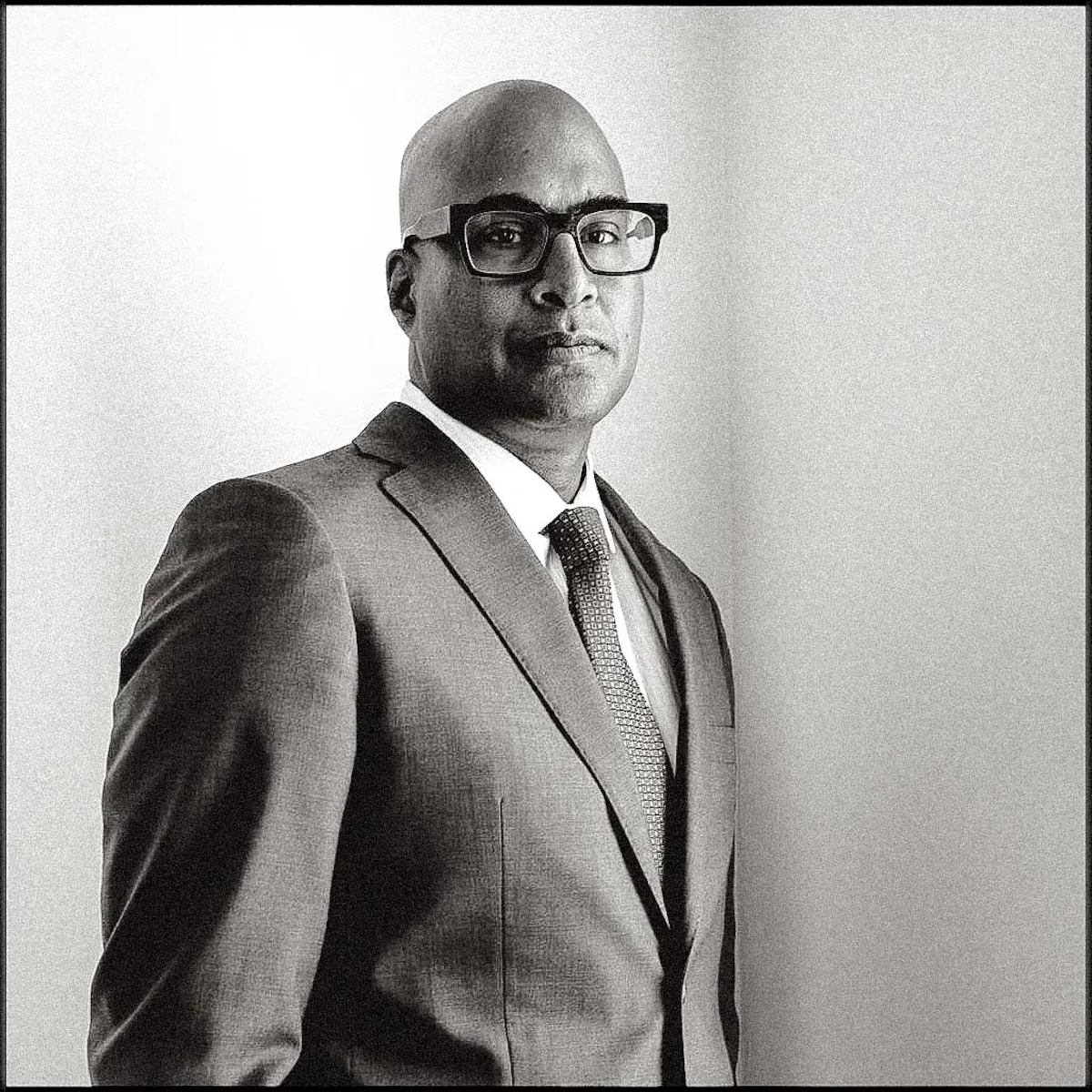
Mano Raju has served as San Francisco’s elected Public Defender since 2019.
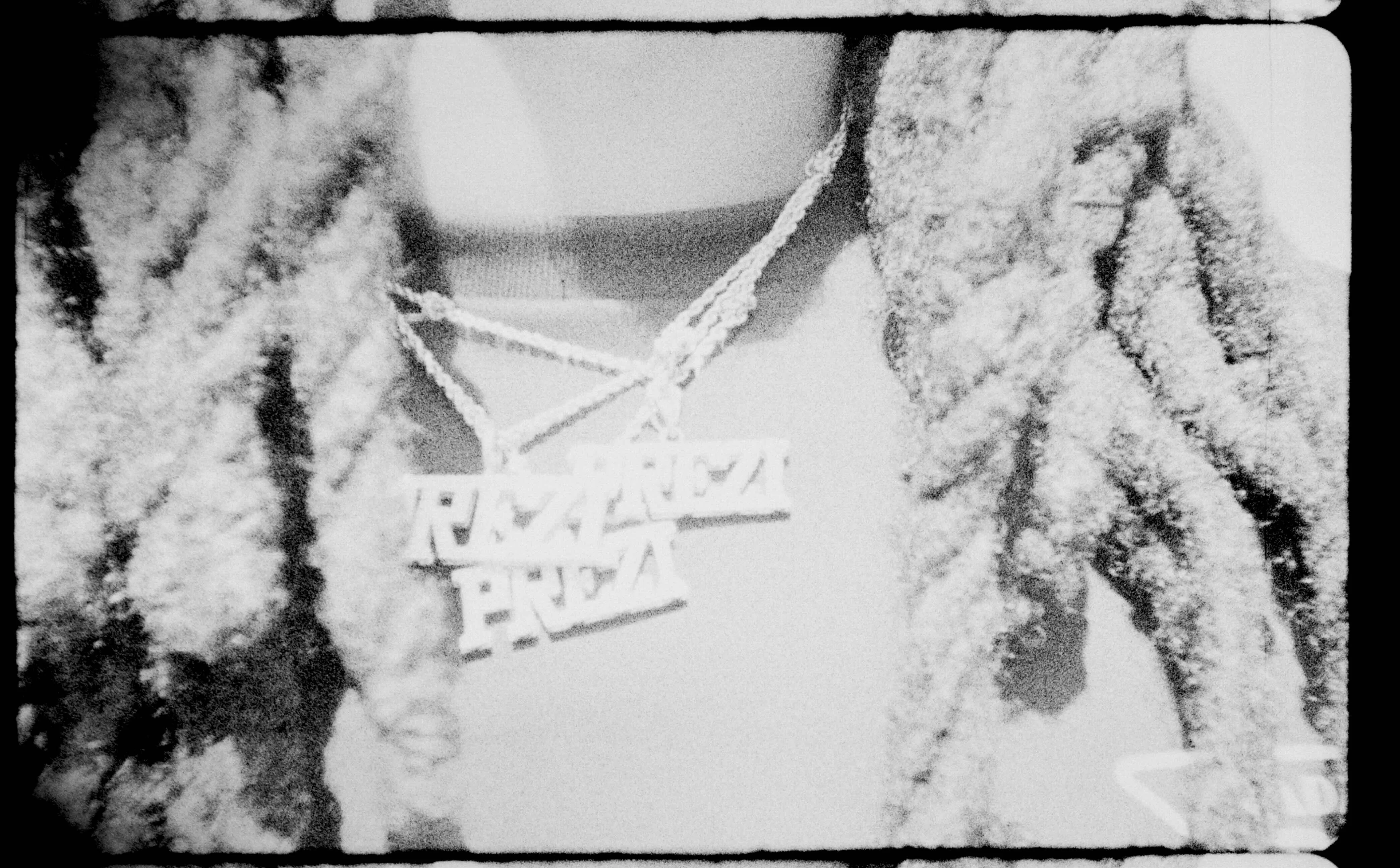
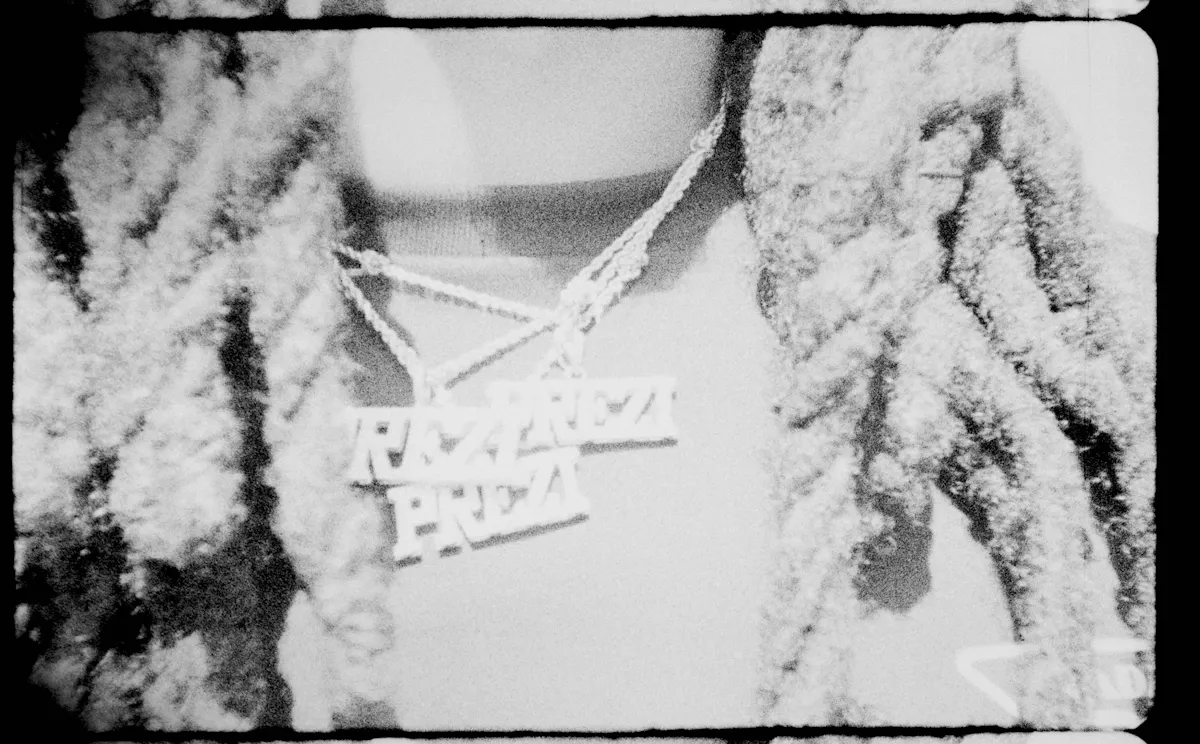
“When you grow up in this neighborhood… this neighborhood is only so big, we know everybody. I can walk from the top of this hill to the bottom of the hill, and everybody in every house gonna say something, look at me, acknowledge me. They gonna say that’s gang affiliated but it’s really family. This is my family. This is the only thing I knew, it’s my family.” – Charles 'Prezi' Gardner
But to the criminal legal system, too often, none of that matters. Here, entire communities are flattened into stereotypes. A neighborhood becomes a “gang.” A lyric becomes a confession. A young man becomes a statistic before he ever has a chance to tell his story.
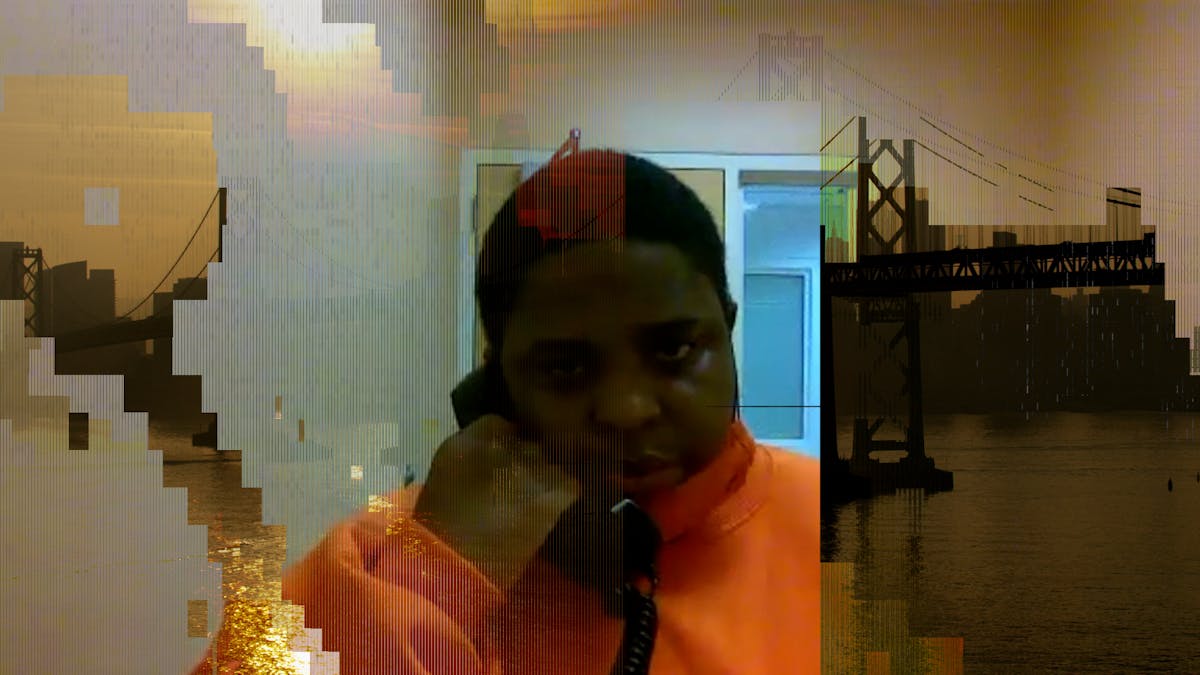
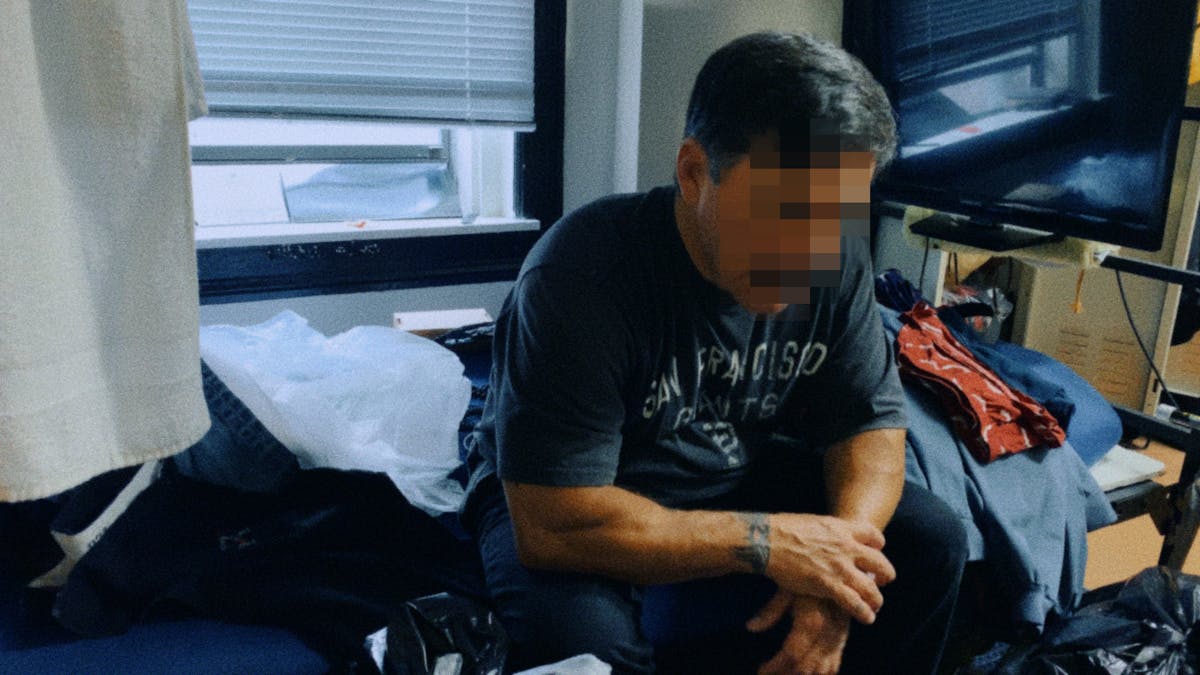
I met Prezi before he was Prezi. Back then, he was Charles— “Bub” to the people who loved him. A colleague who knew him asked me to take his case. When I first met him, he was a scared young man sitting in jail, accused of serious charges that carried a potential sentence of life in prison. He told me something I’ve heard hundreds of times but never take lightly: “I'm not guilty of this.” After we broke the ice, he loosened up. He was warm, open, and deeply rooted in his community. But the prosecution didn’t see that. To them, Charles was just another name on a charging document — another case to win.
The state’s strongest weapon against him wasn’t a witness or a fingerprint. It was a rap video.
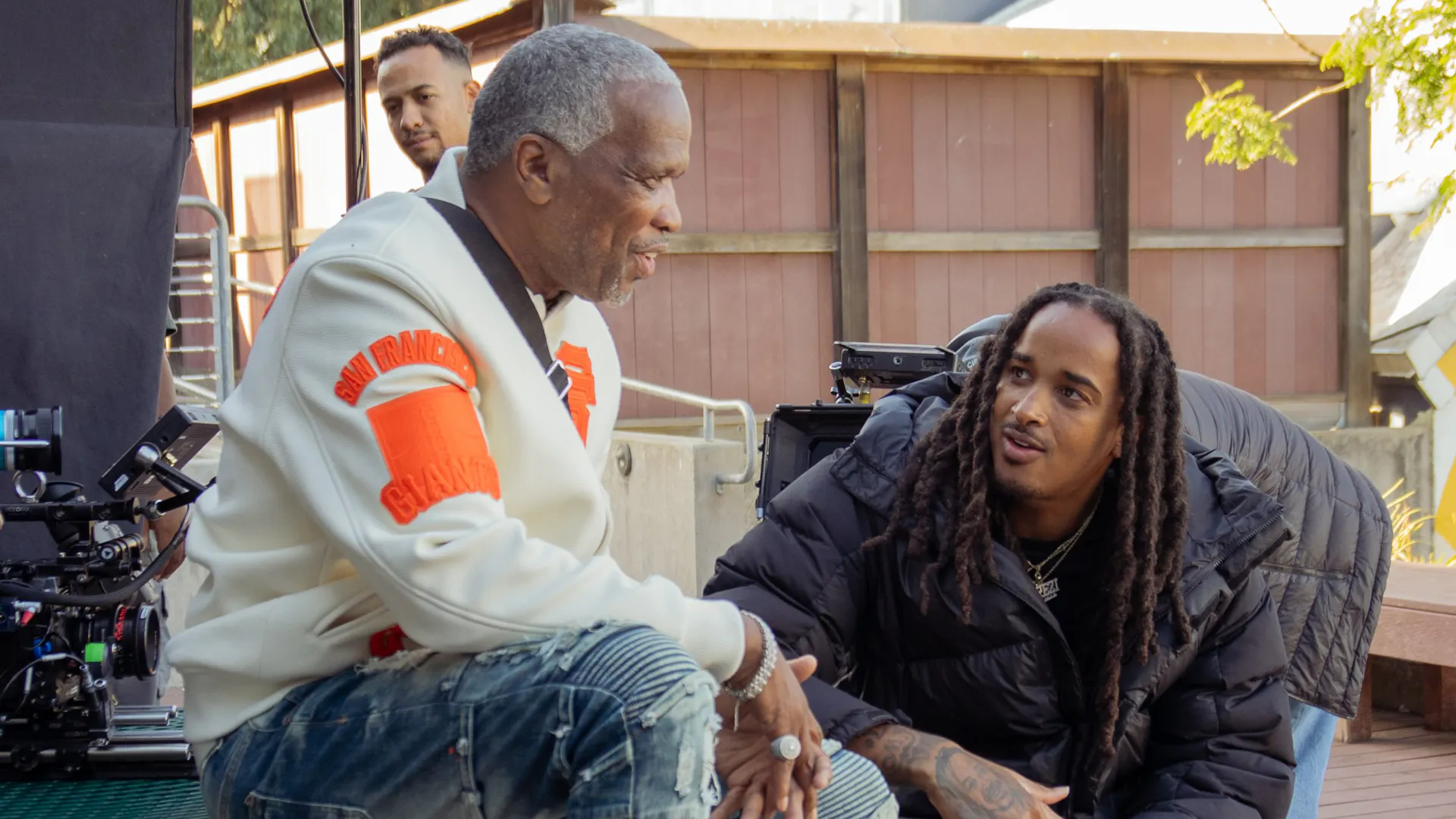
Charles was filmed for a track with his friends, and the prosecution seized on it instantly, claiming it proved he was a gang member involved in violence. This is a growing trend: prosecutors across the country weaponize music — especially hip-hop — against the accused. They strip away the context, sarcasm, and creativity. They ignore the lyricism, storytelling, and myth-making at the heart of the art form.
In court, your bars become your testimony. Your persona becomes your “confession.”
We refused to let that happen.
We fought back, starting with the truth.
We found a police officer who knew the neighborhood — someone who knew Charles personally. Writing a letter for him wasn’t easy. In a culture where loyalty to the department often outweighs loyalty to the community, publicly saying Charles wasn’t a gang member could have put his relationships and career at risk. But he did it anyway, because he knew the man behind the lyrics. I also went to Charles’s home to visit with his mother and invited his mentor, brother, and friends to the office to help me better understand the case.

From there, the real battle began. I made the decision to put Charles’s case on a “no time waiver” track—meaning we insisted on a speedy preliminary hearing within 60 days—so the prosecution wouldn’t have the luxury of delay. Too often, the system relies on time as its greatest weapon — keeping people locked up until frustration breaks them down. We were not going to let that happen. We filed discovery request after discovery request, forcing the prosecutor’s office to hand over every piece of evidence.
And then, on the day of Charles’s preliminary hearing, the prosecution still hadn’t produced the materials and was forced to dismiss the case.
But they didn’t stop.
They refiled the charges, hoping to wear Charles – and us — down. This is a strategy I see too often: pressure the accused until they plead, even if they’re innocent. But we didn’t break. This time, we went harder. We invoked Prezi’s right to a preliminary hearing within 10 calendar days, and we were back in court almost immediately.
During cross-examination, I challenged the prosecution’s ballistic expert, exposing holes in their testimony and unraveling key parts of their case. Afterward, and before he put another expert on the stand, I told the prosecutor something that most are never ready to hear: “This case isn’t going to go well for you.”
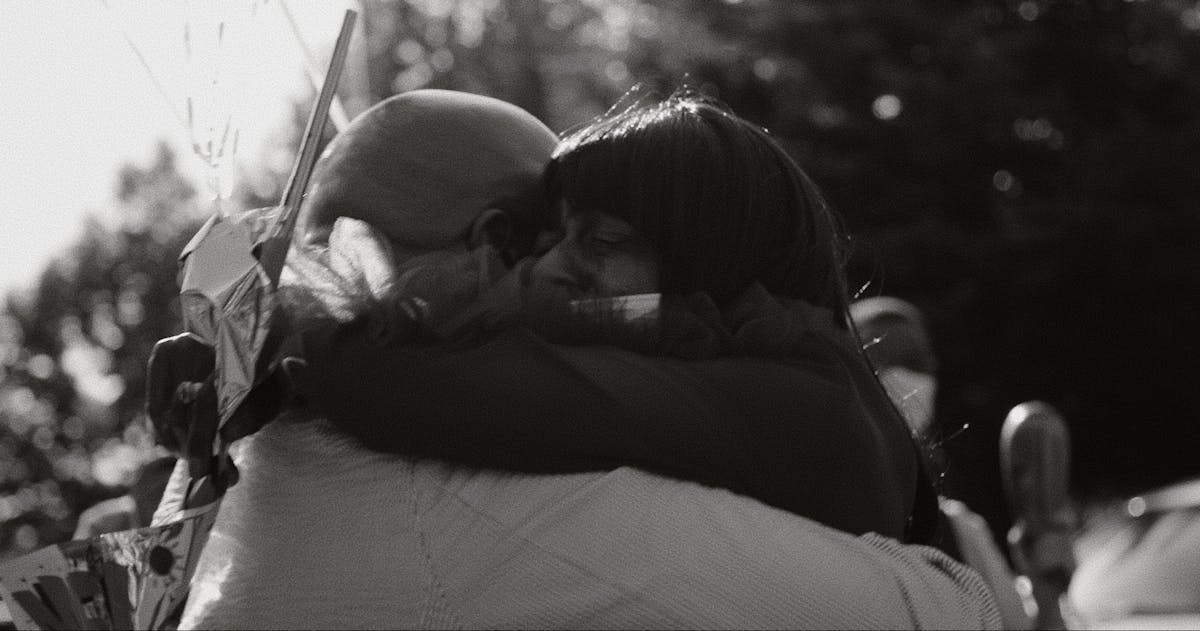
The next day, the charges were dismissed. Bub walked out of jail a free man.
And that’s when Charles became Prezi.

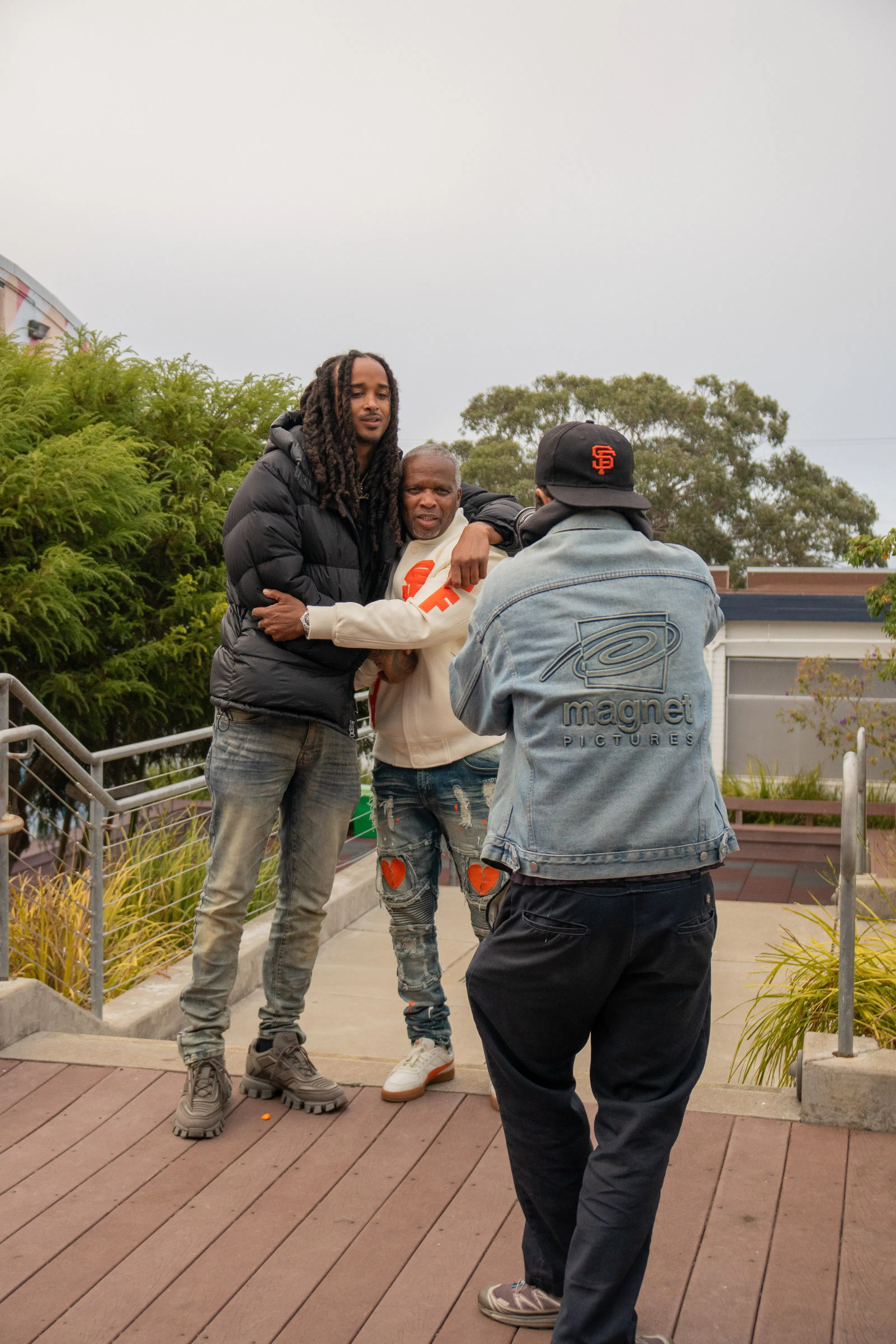
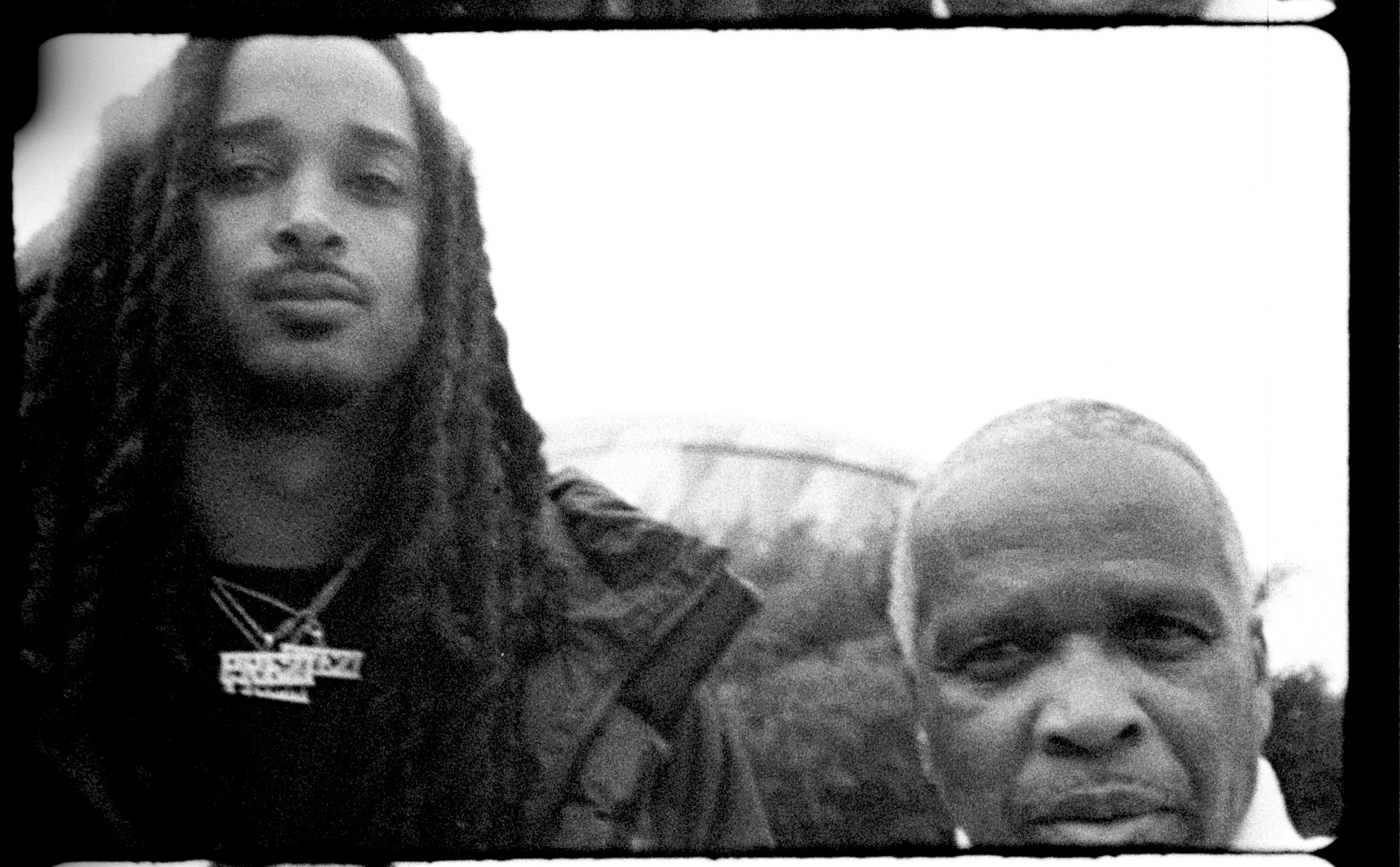
Almost immediately, he recorded a song called Do Better. It wasn’t just music — it was his rebirth. The track blew up, and his career took off. Today, Prezi is a successful artist, a dedicated father, and a pillar of his community. He refuses to abandon his roots, even as people continue to label him and his neighbors. For Prezi, family comes first — always.
When I had my first community swearing-in as San Francisco’s Public Defender, I called him and asked if he wanted to say a few words. He didn’t hesitate: “I got you.” That’s who he is — someone you can count on.