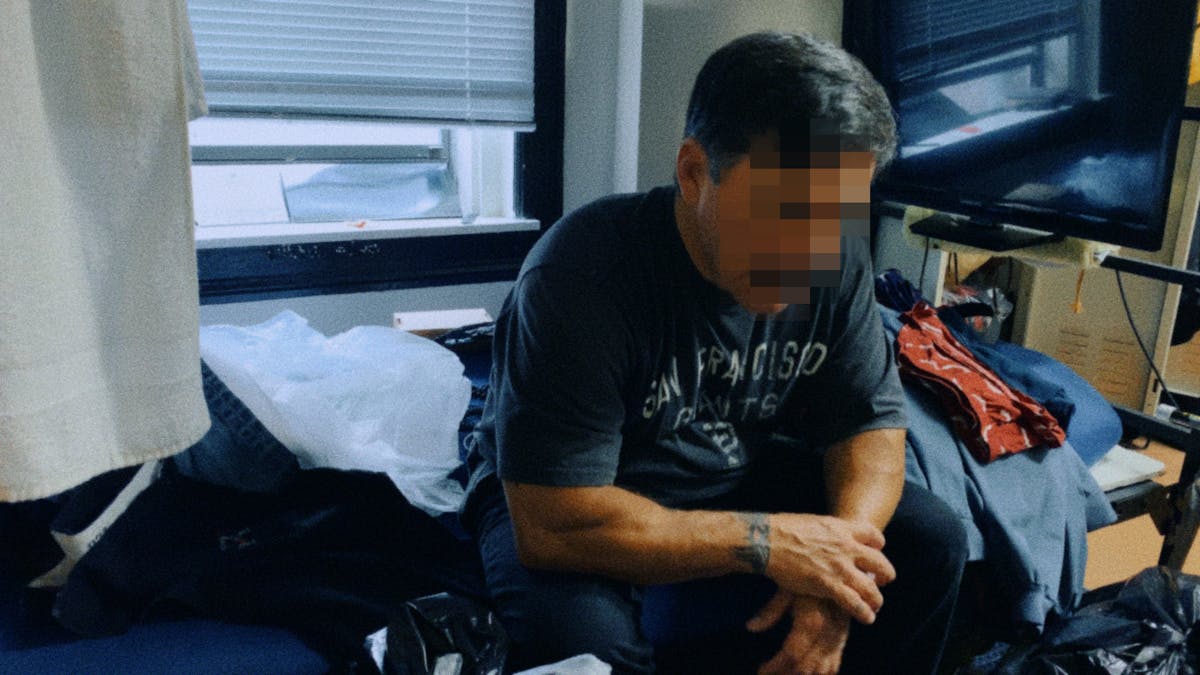
Off the Record: Julia
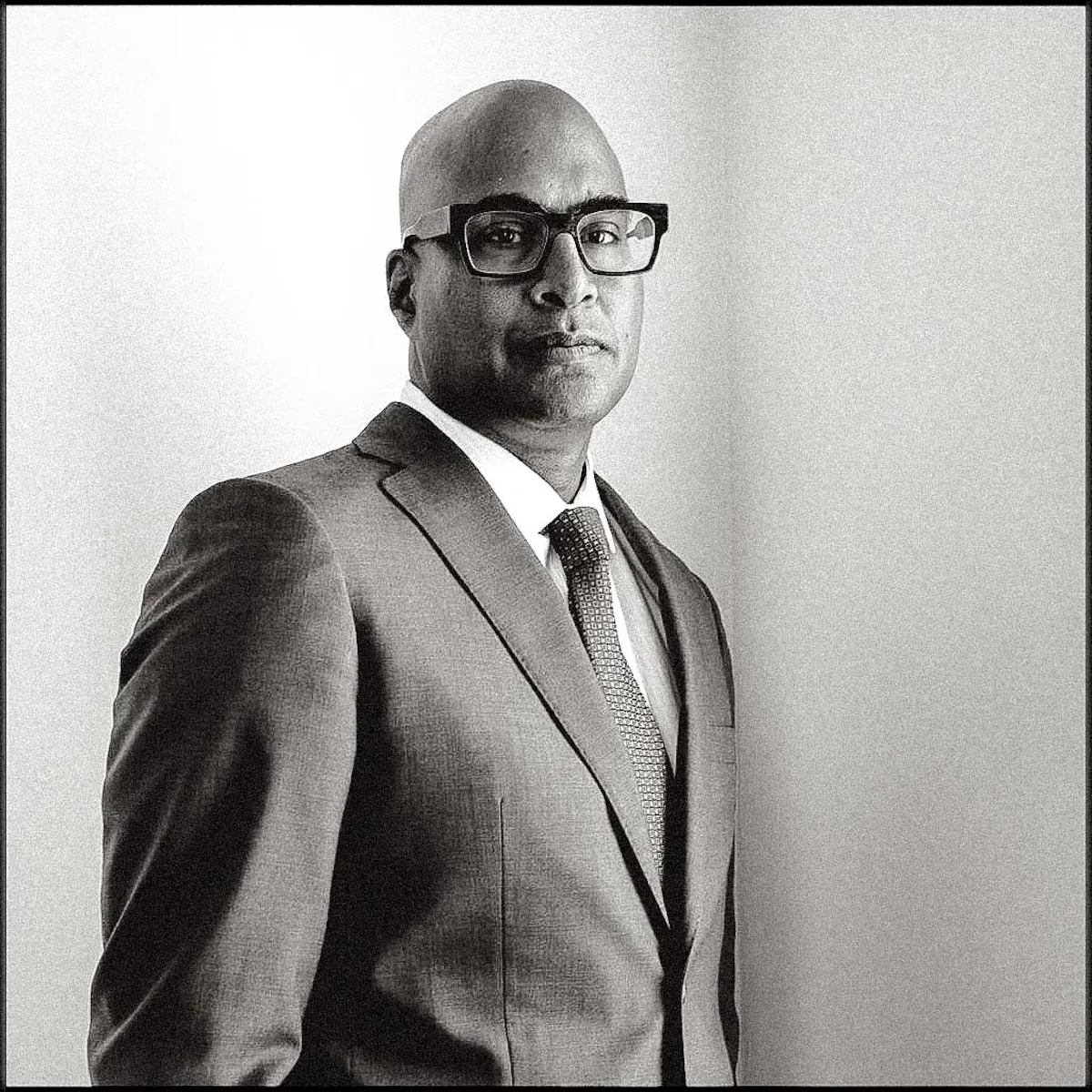
Carolyn Goossen serves as Local Policy Director at the San Francisco Public Defender’s Office, where she develops policy, resources, and programs that support and uplift clients and their families while challenging systems that perpetuate state-sanctioned harm. She has worked in close partnership with Julia Arroyo for over a decade to reduce incarceration of young people in San Francisco.

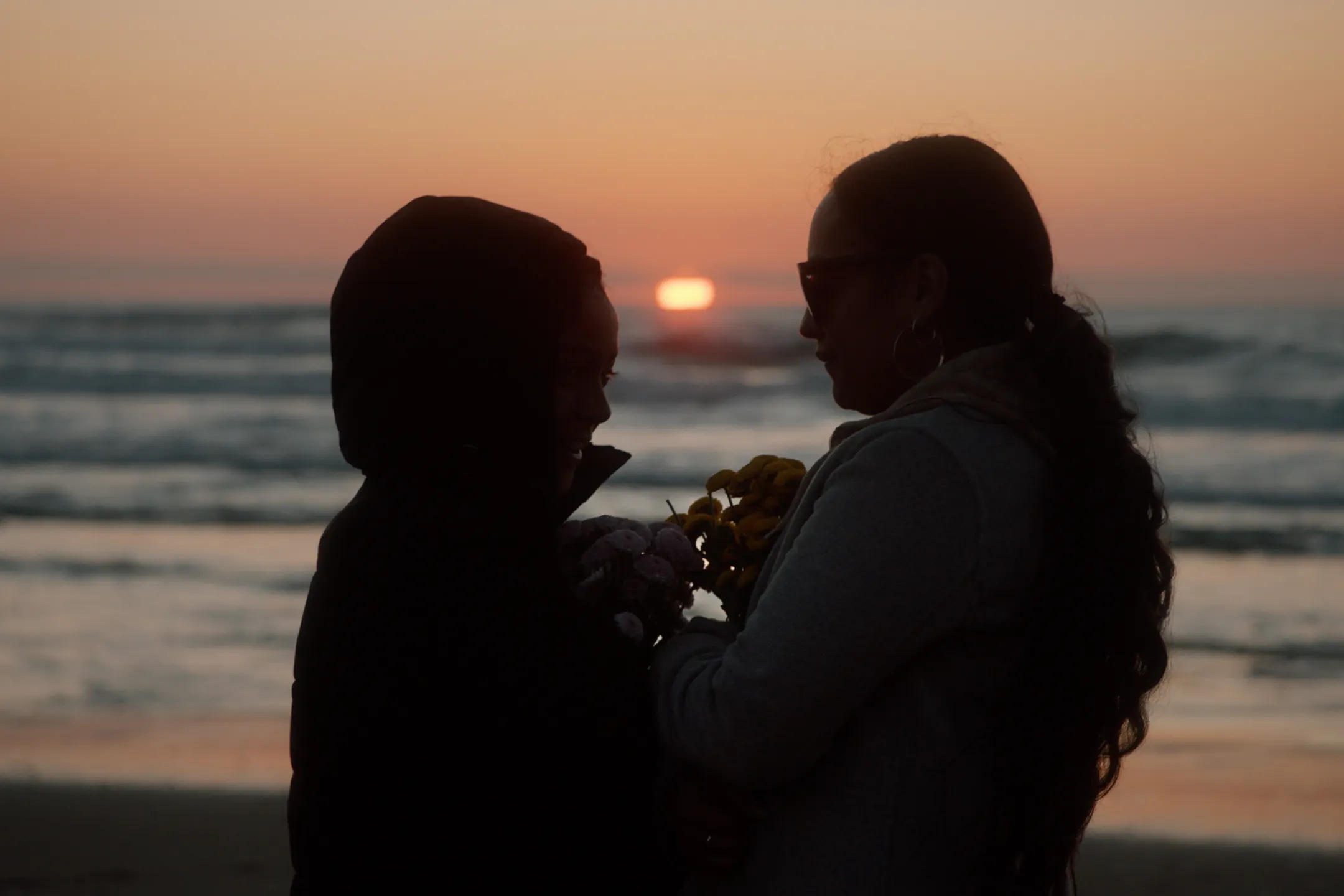
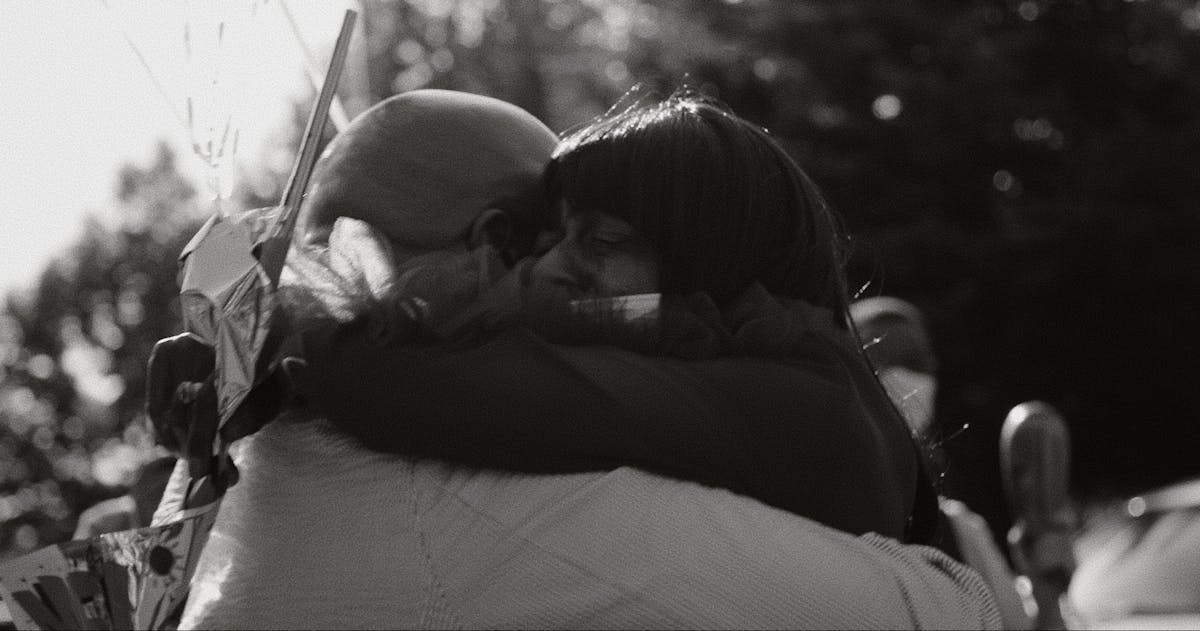
When Rob Gitin, from the youth organization At the Crossroads, first met Julia Arroyo, she was 14 years old and living on the streets of San Francisco, weighing barely 80 pounds. As a homeless youth outreach worker, Rob encountered young people in crisis every day—but Julia stood out as especially vulnerable.
“Among all the clients we worked with, she was one of the kids we were most worried about. There was a time when it felt like the streets were swallowing her. We were never certain we’d see her again.”
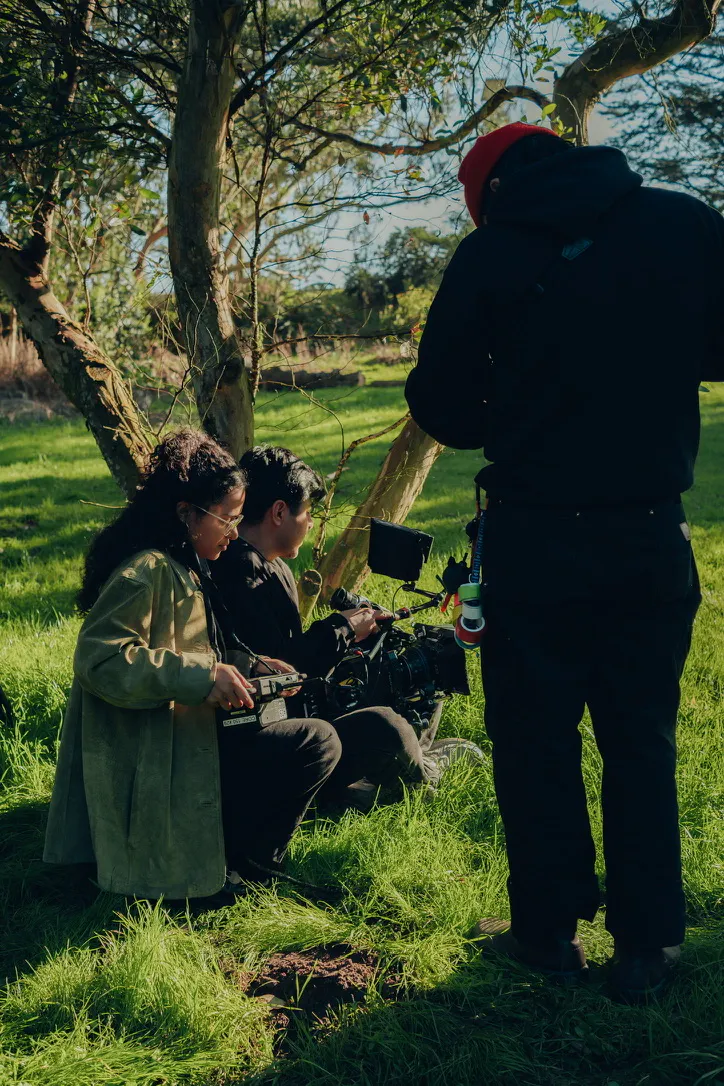
More than twenty years later, it is almost impossible to reconcile that fragile teenager, once represented by the SF Public Defender’s office, with the woman we meet in the short film Julia: a thoughtful leader, a devoted mother, and a steady presence for others navigating the same systems she once endured.
Today, Julia serves as Executive Director of the Young Women’s Freedom Center, where she helps build the power and leadership of system-impacted girls and trans youth. She brings her lived experience into every aspect of her work—shaping decisions, informing strategy, and grounding a movement aimed at ending the incarceration of young people.


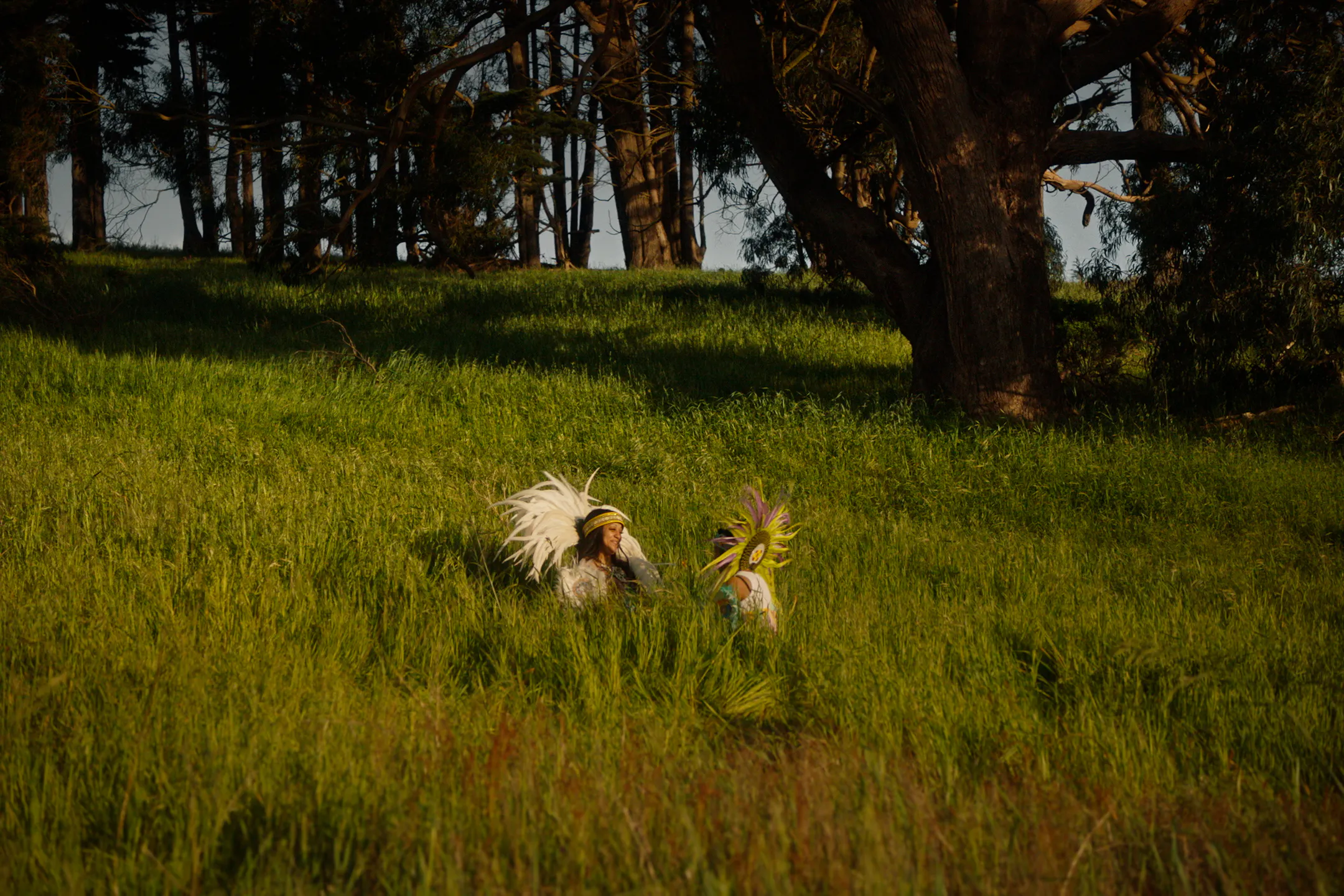
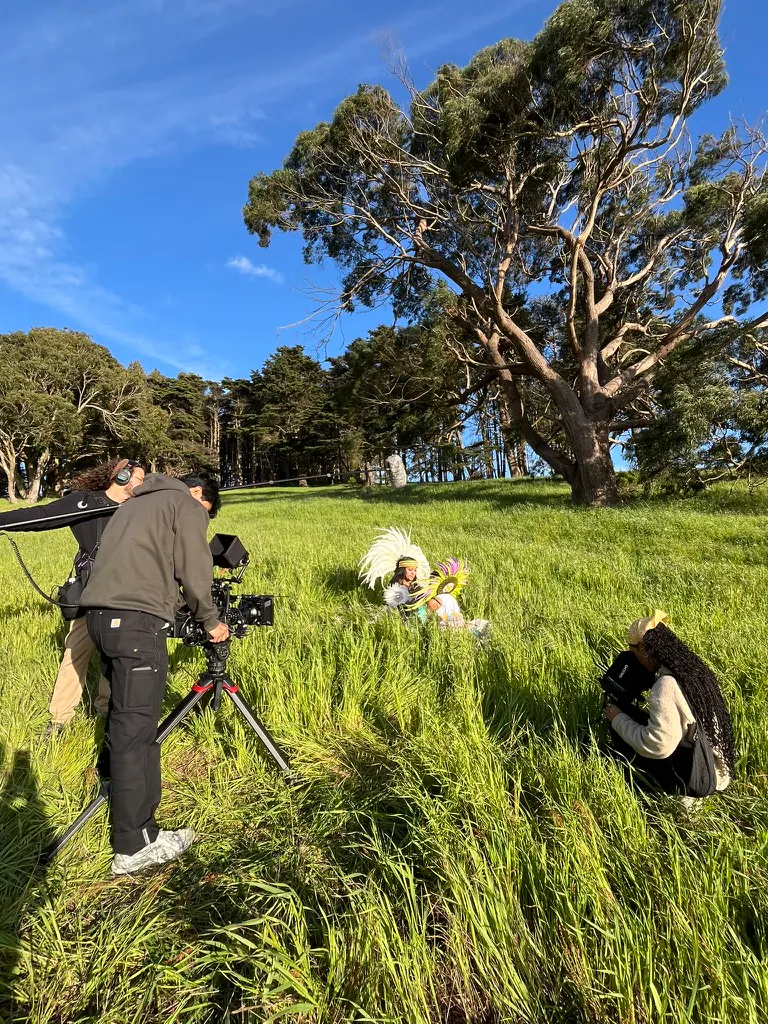
Her life extends well beyond her professional role. Julia is a cultural worker and an Aztec dancer with Xiuhcoatl Danza Azteca, participating in ceremonies alongside her daughter that honor their ancestry and traditions. As a second-generation Xicana of Mexican and Filipino descent, she describes cultural reclamation as central to her healing.
Julia’s path was anything but linear. Raised in poverty, largely by a single mother, she experienced homelessness from a young age. By 15, she had entered the foster care system and cycled through juvenile hall, group homes, and the streets—navigating survival amid instability and exploitation.

When she reflects on how she became the leader she is today, Julia consistently points not to the systems that punished her, but to the communities that sustained her. From At the Crossroads, where Rob first met her, to Homeless Prenatal Program, and ultimately the Young Women’s Freedom Center, it was community-based support—not incarceration—that offered her connection, purpose, and a way forward.
Now, Julia uses her voice to help policymakers understand a simple truth: incarcerating children deepens trauma and isolation. What young people need instead is support, stability, and opportunity. She has become a leading advocate in California to end youth incarceration and to close juvenile hall in San Francisco, championing a shift toward community-based care and alternatives to detention.
At the core of her work is a belief in human potential. As she recently put it: “People see folks on the streets who seem so mentally unwell and think they are lost. But don’t underestimate them—there is a whole leader underneath.”
Julia had people in her life—like Rob, and the community she found at the Young Women’s Freedom Center—who recognized that leader when it mattered most.
Today, she does the same for others: helping young people not just survive, but imagine and build a different future.